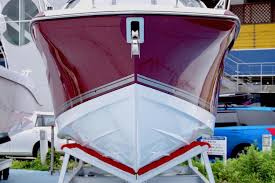
Is Boat Spray Painting Gold Coast a DIY job?
A terrific boat paint job is seen as something that has a good colour depth, a nice smooth finish, and a hard coat that can withstand bumps and scratches during sailing.
On the Gold Coast, painting fibreglass, wood, or plastic boat hulls are often the painting jobs that boat owners like to attempt. Some attempts at DIY boat spray painting Gold Coast achieve success but many others do not meet the grade.
The use of simple and proper techniques in spray painting the boat hulls often spells more success than failure.
Guidelines to successfully spray paint a boat’s hull and deck
Knowing the proper prep materials and procedures is the simplest and most basic thing to understand. Like most things, having everything on hand is the smartest way to accomplish jobs and projects, especially when it’s DIY.
Materials
Painting the deck and hull of the boat needs proper materials. It must be remembered that the selection of paints depends on the material of the boat’s hull and deck. For instance, a paint proven to be excellent for fibreglass and plastic is the right choice for boat hulls and decks made of the same material.
Prep materials
- Sandpaper
- Dual respirator filter mask
- Plastic drop sheets
- Plastic modellers putty
- 400, 600, 800, and 1,000 grit
- Tack cloth
- Auto body glazing putty
Finishing and painting materials
- Automotive paste wax
- Grey or white sandable primer
- Striping tape
- Colour paint
- Tape
- Clear gloss coat
Painting area preparations
A ventilated, warm, clean, and dry place is the first step to achieve a good paint job. The paint dries quickly when the selected room is dust-free and at the right temperature.
Open areas are not recommended since the wet paint and finish can be marred by free-flowing debris and dust. All items that have nothing to do with the painting have to be removed from the room. The fine mist coming from the spray paint will surely envelop the entire area.
Protecting the floor of the area is to cover it with newspapers. A cardboard carton or an old crate placed in the centre of the room offers support for the object to be spray painted.
Preparing the deck and hull
- Check for hull leaks before painting by running the boat on the water
- Remove all RC and other external running hardware from the boat’s hull
- Batteries, motor, receiver, and speed control have to removed as well
- Remove chemical agents, oils, fingerprints, and grease from the hull by washing it in warm water and dishwashing liquid
- Sand the areas that need to be painted using 400 grit sandpaper for fibreglass hulls and 600 grit for plastic hulls
- Remove the sanding dust from the hatch and hull with a tack cloth
Applying primer
The primer is the first coat that needs to be applied before the chosen colour coat. The formulation of primer paints allows them to easily bond with any unpainted surfaces.
The sprayed primer has to be allowed to dry (after 24) hours before sanding the hull again to remove any imperfections.
Painting the colour coats
It’s best to use the same brand of colour coat and primer to ensure their compatibility.
Spray painting is a time-consuming and costly project, especially when mistakes happen. Make the experience stress-free by hiring professional spray painters like us. Contact us at spraytechmarine.com.