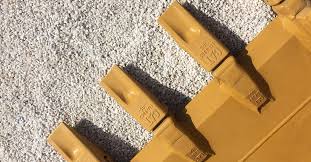
Tips for purchasing caterpillar teeth: A simple buying guide
When purchasing Caterpillar teeth for your equipment, pick the right choice. This guide will help you choose Caterpillar teeth that match your work needs.
Know your requirements
- Before you start shopping, make a list of what you need. Your work demands will dictate your choice.
- Note whether you work in digging, loading, or breaking materials. Ask yourself if the job involves hard surfaces or soft materials.
- Write down the model of your machine. Match the type of work with the model you use. Think how often you require new parts.
- Identify materials you handle. Consider whether the work environment is dusty, rocky, or abrasive. Note the required durability from the teeth.
Types of Caterpillar teeth
- Standard-sized teeth are used for regular material types. They are better for most equipment and built for general use.
- Tiger teeth are needed when you require a narrow design. They help dig into compact surfaces.
- Twin tiger teeth are used when you require two contact points. They offer steady contact on tough surfaces.
- Rock-penetrated teeth are used when you work with rocky materials. These are designed to have a stronger grip on a solid surface.
- Flare teeth are used for holding material. They provide a wider surface to hold more stuff.
Buying tips
- Check the compatibility with your vehicle. Consider the model verification, write down your machine model, check the product module, and use online catalogues.
- When installing Caterpillar teeth, ensure they match with the retention system. Compare pin-on and twist-on designs. Ask your dealer if you’re not sure about them.
- Check the width and height of the teeth. Use measuring tools. Compare dimensions in the manual.
- Compare price and quality. Look at the considerations and decide whether you are spending limit is enough for the teeth you are purchasing. List down the options and compare prices from different vendors.
- Go for teeth made from hardened steel and other durable materials. Read reviews online. Ask other users about their experience.
- Find items that come with a warranty. Look for after-sales support. Confirm if any setup advice is provided.
- Look for special offers and discounts. Be mindful of shipping costs. Ask for installation support.
- Only purchase Caterpillar teeth from trusted sources. Research company histories online. Get references and read independent reviews.
- Read the terms for returns and exchanges and write down the window. And ask for support if there is damage during transit.
- It’s best to purchase from local vendors. They have easier support channels. Look for local service centres existing for fast part handling.
- After purchasing Caterpillar Teeth, inspect your package, check for damage, and compare parts to the description online. Note discrepancies quickly.
- Keep spare teeth in a clean place, avoid exposure to moisture, and store in a manner that prevents scratches.
- When fitting parts, follow the manual. Use the right tools. Ask for help if you are not confident with installations. Regular follow-up can help you manage your equipment well.
Use these tips for purchasing heavy duty caterpillar teeth. They take your time to list your needs and check equipment compatibility. Follow this advice to make the right choice. Update your parts and keep notes on purchase details. Work with trusted vendors who provide quality parts.